


Where to Find Energy Industry Recycling Services in the US

The energy industry relies on complex equipment and infrastructure to generate, store, and distribute power. From traditional energy facilities to solar and wind installations, these operations eventually need to manage retired equipment, scrap metal, plastics, electrical components, and other materials.
Finding the right energy industry recycling services in the US starts with understanding what materials need to be recovered, whether they require specialized handling, and which providers have the equipment and qualifications to manage them.
Flipping Iron Inc. provides industrial recycling, mobile material processing, equipment removal, and site cleanup solutions that can support qualifying energy-sector projects. Based in Bakersfield, California, our mobile capabilities can support projects throughout California and, depending on project requirements, across the continental United States.
What Types of Energy Industry Materials Can Be Recycled?
Energy facilities generate a variety of materials throughout their operating life cycles, maintenance activities, upgrades, and decommissioning projects. Some materials can enter conventional recycling streams, while others require specialized contractors.
1. Scrap Metal and Industrial Materials
Energy facilities may generate steel, aluminum, copper-bearing scrap, structural metal, pipe, and other metal components during maintenance, upgrades, and equipment removal.
Suitable scrap metals can often be directed toward metal recycling markets after they have been appropriately separated and prepared. Processing may involve sorting, size reduction, or consolidation to make materials easier to handle and transport.
Flipping Iron Inc. provides recycling and material processing solutions for ferrous and non-ferrous metals, along with other suitable industrial materials.
Our recycling services and mobile baling and logging services can help qualifying projects prepare materials for recovery and downstream processing.
2. Wind Energy Components and Turbine Blades
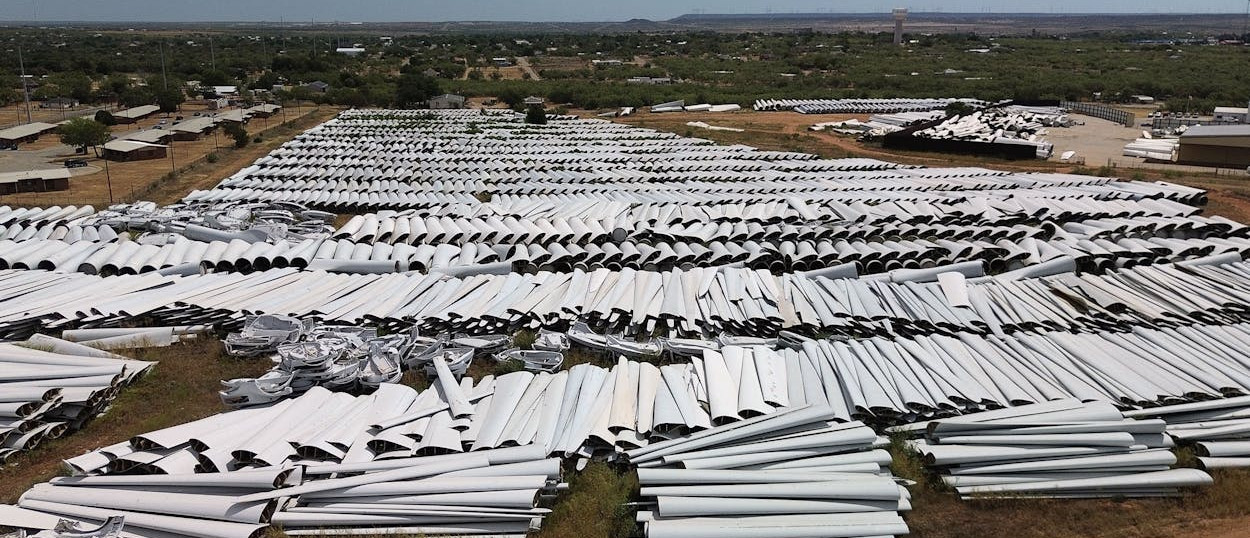
Wind energy projects can generate substantial quantities of material when turbines are repaired, upgraded, repowered, or decommissioned. Depending on the component, this can include metal structures, equipment, cabling, and composite wind turbine blades.
Metal components may have established recycling pathways, while composite blades made from fiberglass or other reinforced materials can be more challenging to recycle. Their recovery options depend on available processing technologies and downstream markets.
The U.S. Department of Energy provides an overview of the opportunities and challenges in wind turbine recycling.
Flipping Iron Inc. offers wind turbine blade processing solutions as part of our industrial material recovery capabilities. Our services can help projects address blade processing needs and other materials associated with industrial and renewable energy operations. Specific processing requirements and material destinations should be confirmed for each project.
3. Solar Energy Project Materials
Solar installations can produce recyclable materials during panel replacement, repowering, facility upgrades, and decommissioning. Depending on the equipment involved, these may include metal racking, structural components, wiring, plastics, and retired solar panels.
Not every component follows the same recycling pathway. Solar panels contain different materials and may require specialized recycling or end-of-life management, so project owners should verify acceptance requirements with qualified providers.
Flipping Iron Inc. supports industrial and energy projects through material recovery, equipment removal, and site cleanup services. We can help evaluate suitable metal and other recoverable material streams as part of a broader project plan.
For specialized solar panel recycling, confirm that the selected provider accepts the specific panel type and can manage it according to applicable requirements.
4. Transformers and Transformer Oil
Transformers and other oil-filled electrical equipment require additional care because their condition, oil contents, and potential contaminants can affect how they must be managed.
Some transformers may contain polychlorinated biphenyls (PCBs), which are regulated under federal environmental requirements. Equipment should not be assumed to be free of PCBs simply because it is old, drained, or being removed from service.
Before arranging removal or recycling, confirm equipment details, fluid status, available records, and any required testing. Transformer oil should be managed separately when necessary and sent through an appropriate handling, recycling, or disposal pathway.
The U.S. Environmental Protection Agency provides official guidance on PCB waste storage and disposal and used oil management for businesses.
For projects involving oil-filled electrical equipment, PCB-containing materials, or potentially hazardous fluids, work with a provider qualified for the specific equipment and regulatory requirements. Flipping Iron Inc. can discuss broader industrial equipment removal and site services, but specialized transformer, oil, or PCB handling must be confirmed separately.
5. Electrical Equipment and Electronic Waste
Energy facilities may also retire meters, controls, computers, monitoring equipment, communication systems, and other electronic components.
These items can contain recoverable metals and other materials, but some also contain substances that require appropriate handling. Batteries and electronic components may need to be separated from general scrap, and sensitive equipment may require data-security procedures before recycling.
The EPA explains the benefits and considerations of electronics donation and recycling and provides information about certified electronics recyclers.
For electronic waste, choose a provider whose accepted materials, data-handling practices, and certifications match your project needs.

Where to Find Energy Industry Recycling Services in the US
The right provider depends on the material, project location, equipment condition, and regulatory requirements. The following companies advertise specialized services that may be relevant to energy-sector projects. Confirm current service availability, coverage, certifications, and acceptance criteria directly with each provider.
Transformer and Electrical Equipment Recycling
G&S Technologies — Offers transformer and oil-filled electrical equipment services, including removal and recycling-related solutions.
Emerald Transformer — Provides transformer services, including recycling and disposal options.
Transformer Technologies — Offers transformer recycling, dismantling, and salvage services.
Nationwide Electrical Transformer Recycling — Advertises transformer removal and recycling services.
These providers are potential starting points for projects involving transformers and associated electrical equipment. Ask specifically about oil management, PCB requirements, transportation, documentation, and final material destinations.
Utility Pole Recycling
Blackwood Solutions — Provides utility pole recycling and material management services.
National Salvage & Service Corporation — Offers utility-related services, including utility pole recycling.
Utility poles may contain treated wood or other materials requiring specialized management. Verify that the provider can accept the pole type and treatment status involved in your project.
Electronic Waste and Specialized Recycling
Clean Harbors Recycling Services — Offers recycling services that include specialized industrial waste streams and electronic waste solutions.
For electronics, ask about accepted equipment, battery management, data destruction where relevant, and any applicable recycling certifications.
Industrial Material Recovery and On-Site Processing
For projects involving scrap metals, suitable plastics, bulky industrial materials, equipment removal, or site cleanup, industrial recycling and mobile processing companies may offer a useful complement to specialized waste contractors.
Flipping Iron Inc. provides industrial recycling, mobile shredding, mobile baling and logging, equipment removal, demolition and site cleanup, and wind turbine blade processing. Our approach focuses on helping project teams manage materials and identify practical recovery opportunities based on the type and condition of the material.
Explore our industrial services to learn more about the solutions we offer.
How to Choose the Right Energy Recycling Provider
Before selecting a contractor, consider the following questions:
What materials do you need to manage? Make a list of metals, plastics, equipment, electrical components, fluids, and other materials.
Does the provider accept your specific materials? Confirm material types, condition, contamination limits, and preparation requirements.
Does the project involve regulated materials? Transformers, oils, PCB-containing equipment, treated utility poles, batteries, and certain electronic waste may require specialized handling.
Can the provider work at your site? Confirm mobilization, equipment access, loading requirements, transportation, and project timing.
What documentation will you receive? Depending on the material and applicable requirements, you may need weight records, manifests, recycling documentation, or disposal certificates.
Where will the materials go? Ask about downstream recycling facilities, reuse options, and final destinations.
For larger projects, a coordinated plan can help distinguish conventional recyclable materials from items that need a specialized waste-management provider.
How Flipping Iron Inc. Supports Energy and Renewable Energy Projects
Flipping Iron Inc. is an industrial solutions company based in Bakersfield, California. We serve industries including energy, agriculture, mining, manufacturing, and waste and recycling.
Our services are designed to help businesses address material processing and site needs through practical equipment and field solutions.
Depending on the project, we can assist with:
Metal recycling: Processing and recovery solutions for suitable ferrous and non-ferrous metals.
Mobile shredding: On-site size reduction for appropriate materials.
Mobile baling and logging: Consolidating qualifying materials for more manageable handling and transportation.
Wind turbine blade processing: Supporting projects that need specialized processing for wind turbine blades.
Equipment removal: Helping remove unwanted industrial equipment and machinery.
Demolition and site cleanup: Supporting the removal of unwanted materials and debris while identifying potential recovery opportunities.
Our mobile capabilities can help qualifying projects that need processing at the job site rather than transporting all loose materials elsewhere first. The best approach depends on site conditions, material specifications, logistics, and the availability of suitable recycling outlets.
We also recognize that not every energy-industry material belongs in the same recycling stream. Where specialized handling is needed, identifying the appropriate qualified provider is an important part of responsible project planning.
Get Started With Energy Industry Material Recovery
Whether you are managing scrap metal from an industrial facility, planning a renewable energy project, removing equipment, or preparing a site for redevelopment, choosing the right recycling and processing approach can help make the project more organized and efficient.
Flipping Iron Inc. can discuss your material types, project location, equipment needs, and potential on-site processing options to determine whether our services are a good fit.
Looking for energy industry recycling services in the US?
Visit FlippingIronInc.com to explore our industrial solutions, review our services, or contact our team to discuss your project.
The first step is identifying what needs to be removed, what may be recoverable, and which services are best suited to the job.


Comments