


Decommissioned Wind Turbine Blades: What Happens After the Turbine Comes Down

Why blade disposal is becoming a real problem
Most of a wind turbine is recyclable. Steel towers, copper, aluminum, and the drivetrain all move through established scrap channels. The blade is the exception. Blades are built from fiberglass, resin, and structural core materials bonded into a single composite part, and that construction is exactly what makes them hard to break back down.
Blades are also built to last. A typical service life runs around 30 years, which means the blades coming down today were installed in the 1990s, and the volume of retired blades is climbing as more projects reach end of life. In Europe, the wind industry's self-imposed landfill ban on decommissioned blades took effect January 1, 2026, a signal that blade end-of-life is now treated as a planning issue rather than an afterthought.
In the United States, landfill remains a common option, but it's an expensive one. Landfilling blades consumes large amounts of space and adds freight cost on top of tipping fees, because the blade has to get to the landfill intact.
The real bottleneck is usually transportation, not disposal
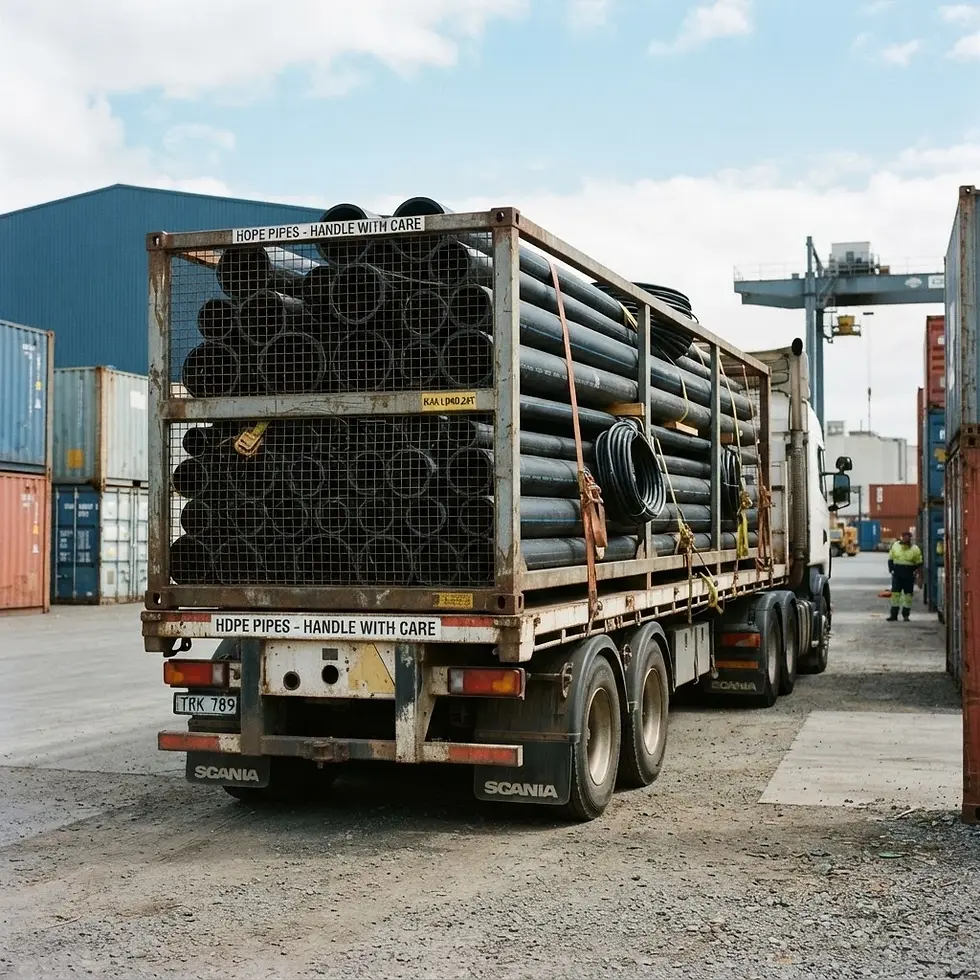
A single blade can be 50 to 100 meters long depending on the turbine. Moving one intact requires specialized trailers, permits, escorts, and route planning. When a project has dozens of blades, that logistics burden can outweigh the disposal cost itself.
This is why on-site processing changes the math. Shredding or reducing blades at or near the project site cuts the material down to a size that loads into standard trailers, which means fewer trips, simpler routing, and less handling overall.
Three paths for blade material after processing
Once a blade is reduced, the material can go in several directions depending on what's available downstream:
Mechanical recycling. Shredded or ground blade material can be used as a filler or substitute in products such as concrete, or as a substitute fuel in applications like cement kilns.
Thermal recovery. Heat-based processes can recover glass fiber from blade material for use in new composite products.
Direct repurposing. Whole or sectioned blades have been turned into pedestrian bridges, playgrounds, benches, bike shelters, noise barriers, and affordable housing.
The right path depends on the material, the volume, and what end markets are reachable from the site. That's a conversation worth having before the blades come down, not after.

What to plan for before decommissioning wind turbine blades starts
A few questions decide how smoothly blade removal goes:
How many blades, and what length? Volume and dimensions drive equipment selection.
Where is the site, and what can reach it? Access and route constraints often determine whether on-site processing makes sense.
What's the end destination? Landfill, recycling, and repurposing have different material prep requirements.
Can processing be folded into the broader project? Blade work usually sits inside a larger turbine removal, equipment removal, and site cleanup scope, and handling it as one project is more efficient than treating it as a separate job.
Who handles this work
Flipping Iron Inc. is a Bakersfield, California industrial solutions company that provides on-site shredding and processing for decommissioned wind turbine blades, along with material recovery, mobile processing, demolition, site cleanup, and equipment removal. The company serves agriculture, mining, energy, manufacturing, and waste and recycling customers throughout California, and its mobile equipment can travel anywhere in the continental United States for larger or specialized projects.
Have decommissioned blades to process? Contact Flipping Iron at (661) 426-1126 or through flippingironinc.com/contact with blade quantities, location, and timing.


Comments