


How Is Agricultural Plastic Recycled? A Step-by-Step Guide

Agricultural plastics play an important role in modern farming, helping growers manage irrigation, protect crops, and improve operational efficiency. Materials such as drip tape, irrigation tubing, mulch film, greenhouse film, and agricultural netting are used across a wide range of agricultural applications.
But what happens when these materials reach the end of their useful life?
Agricultural plastic recycling helps recover suitable materials and provides an alternative to disposal when recycling options are available. With proper handling, sorting, and processing, certain agricultural plastics can be prepared for further use in manufacturing and other applications.
At Flipping Iron Inc., we help agricultural businesses explore practical solutions for managing used plastics through material recovery, recycling, and specialized processing services.
Step 1: Collection and Removal
The recycling process begins with collecting used agricultural plastics from fields, farms, greenhouses, and other agricultural operations.
Common materials include:
Drip tape and drip tubing
Mulch film and almond film
Strawberry and fumigation film
Silage and greenhouse film
HDPE netting and PP fabric
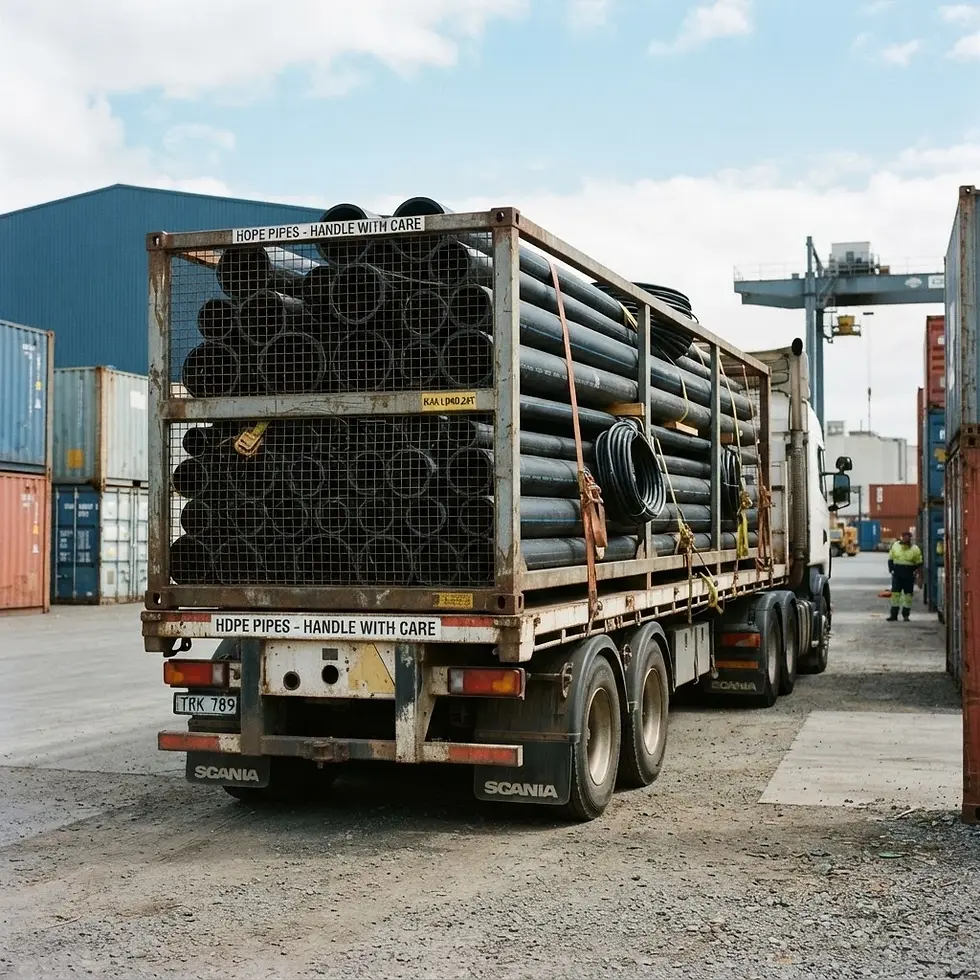
Agricultural plastic pipe and other eligible rigid plastics
Proper collection helps prevent materials from becoming mixed with general waste and makes subsequent handling and processing more manageable.

Step 2: Sorting and Material Identification
Not all agricultural plastics can be processed in the same way. Different polymers have different characteristics, and recycling requirements can vary by material.
Sorting helps separate plastics by type, composition, and intended processing method. For example, flexible agricultural films may require a different process than rigid HDPE tanks or corrugated plastic pipe.
Identifying materials early helps determine which recycling options may be available and whether additional preparation is needed.
Step 3: Removing Contaminants and Preparing Materials
Agricultural plastics often accumulate soil, moisture, plant matter, and other contaminants during normal use.
Depending on the material and the receiving processor's specifications, preparation may include removing excessive dirt and debris, separating incompatible materials, and ensuring the plastics meet acceptance requirements.
Some materials may require more extensive cleaning than others. Others may not be suitable for recycling because of contamination, degradation, or incompatible components.
Proper preparation helps improve material quality and supports more efficient downstream processing.
Step 4: Shredding, Baling, and Material Processing
Once materials have been collected, identified, and appropriately prepared, they may undergo mechanical processing.
Shredding reduces suitable plastics into smaller pieces, making them easier to handle, transport, or prepare for further processing.
Baling compresses compatible materials into more manageable bundles, helping consolidate volume and simplify storage and transportation.
Depending on the material and project requirements, additional processing may be necessary before the plastics can be accepted by a recycling facility.
Flipping Iron Inc. offers mobile processing capabilities, including shredding and baling solutions, that can support qualifying projects at agricultural and industrial sites.

Step 5: Transportation and Recycling
After preparation and processing, materials can be transported to an appropriate recycling facility or downstream processor.
The destination depends on the plastic type, material quality, contamination level, and available recycling markets. Some facilities may require specific sizes, packaging methods, or cleanliness standards before accepting a load.
This is why identifying the material and confirming acceptance requirements in advance is an important part of the recycling process.
Step 6: Recovering Materials for Potential Reuse
When suitable materials are successfully processed, they may be converted into feedstock for manufacturing new products or used in other approved applications.
The final outcome depends on the polymer, processing method, quality of the recovered material, and demand from downstream markets.
Although not every agricultural plastic can be recycled, effective material management can help identify recovery opportunities and reduce unnecessary disposal where practical.
How Flipping Iron Inc. Supports Agricultural Plastics Recycling
Recycling agricultural plastics involves more than simply collecting used material. It can require specialized equipment, efficient material handling, and coordination between collection, processing, transportation, and receiving facilities.
Flipping Iron Inc. works with agricultural and industrial businesses to explore practical solutions for managing eligible materials.
Our capabilities include:
Agricultural plastics recycling: Solutions for a variety of eligible agricultural films, irrigation materials, netting, and other plastics.
Mobile shredding and baling: Processing capabilities that can help reduce material volume and simplify handling at qualifying job sites.
Equipment rentals and sales: Equipment solutions to support agricultural, industrial, and recycling operations.
Material recovery: Support for managing other materials, including metals, industrial plastics, pipes, and tires.
Based in Bakersfield, California, Flipping Iron Inc. serves customers throughout California and can support projects across the continental United States through its mobile capabilities.
Make Agricultural Plastic Recycling Part of Your Plan
Understanding the recycling process helps agricultural businesses make informed decisions about the materials they generate. From collection and sorting to processing and transportation, each step plays a role in determining whether used plastics can be recovered successfully.
Planning ahead, keeping materials appropriately separated, and confirming processor requirements can help make agricultural plastic management more efficient.
Have used agricultural plastics that need to be processed or recycled?
Flipping Iron Inc. can help you explore potential solutions based on your materials, project requirements, and operational needs.
Visit our Agricultural Plastics page to learn more, explore our recycling services, or contact our team to discuss your project.
Flipping Iron Inc. — Specialized Equipment. Complex Materials. Real Solutions.


Comments